Western Washington University drives sustainability and diversity
Influencing buyer behaviour to support university values
A commitment to the campus
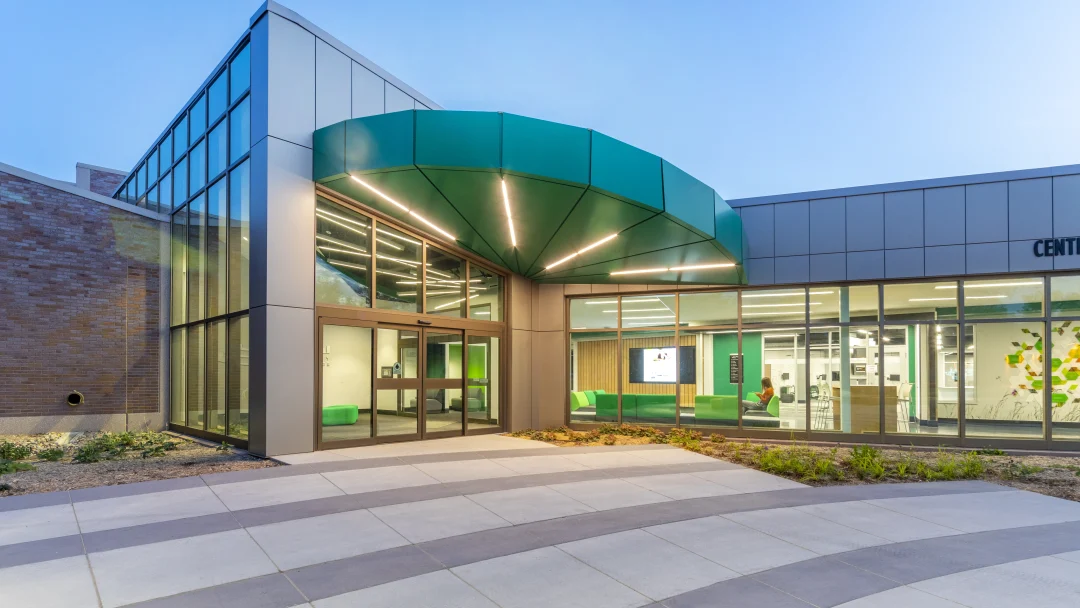
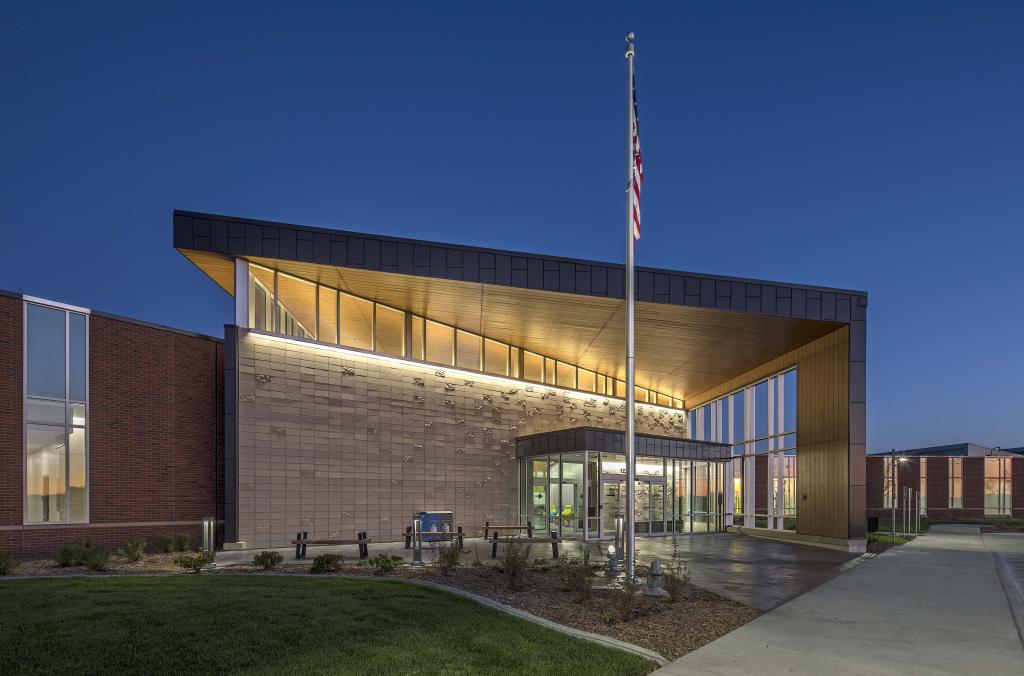
With 16,000 students across three campuses, Western Washington University is the highest-ranking public, master’s granting University in the Pacific Northwest. And its commitment to protecting local and global ecologies, upholding social equity, creating economic vitality, and maintaining human health is at the heart of everything they do.
These new initiatives have helped elevate the role of procurement al the university.

An improved understanding of spend
Before 2014, WWU was conducting most of its procurement activity using manual processes. “There was an acknowledgment that the University needed to move away from paper processes,” said Andrea Rodger, associate director of business services. “Things were taking a very long time. There was no standardization around how we made purchases and no real grasp on spend,” she said. In addition, too many people were using p-cards without much oversight. Even the purchasing department was buying goods without a defined strategy.
WWU licensed ESM Purchase and ESM Contract, Enterprise Edition. “We very quickly got a better idea about spend,” Andrea said. “And the procurement office was able to institute workflows and approvals for more accountability.” Standardizing purchasing practices has been a collaborative effort. “I’ve learned that in higher education “standardization” is rarely absolute. It’s a process that’s taken a lot of conversation,” she said.
“One of WWU’s first priorities was identifying diversity suppliers, including minority-and Women-owned businesses.”
Aligning purchasing with university values
The commitment to improving processes led WWU to revisit its plan for procurement, guided by the values driving the University’s strategic plan, particularly sustainability, inclusivity, and diversity.
One of their first priorities was identifying diversity suppliers, including minority- and women-owned businesses. By flagging those suppliers in ESM Purchase, the procurement team was able to elevate their visibility for buyers across the University and produce more accurate reports about the impact of the WWU’s diversity efforts.
Using these supplier indicators more transparently in the procurement system has also allowed Andrea’s team to get more creative about how they are influencing buyer behavior. “At the beginning of this year, we began to showcase a local vendor every month, so that buyers could easily see them,” Andrea said.
Washington was one of the first states in the country to be affected by the coronavirus and its impact is still being felt. WW wanted to do everything it could to help local businesses get back on their feet. “We change categories every month so that we can feature vendors from across a range of services,” she explained. When onsite commencement plans were cancelled, the procurement office was still able to feature the florist who normally would have provided arrangements for the ceremonies. Other promoted categories have included audiovisual, office supplies, janitorial, and furniture supplies.
She also applauds ESM’s decision to support an Executive Advisory Board to give customers a voice in how the company is designing and developing its solutions and she is one of the founding members of that organization. In addition to providing input about solution features, the EAB “gives us an opportunity to talk with colleagues from around the country about best practices,” Andrea said. She is looking at how to make office supplies more sustainable by using paper sourced from sugar cane. “We hope to be able to feature these products soon,” she said.
“With ESM Purchase, we can demonstrate to buyers across our campuses that they are getting the best products for the best price. People are beginning to understand that the procurement is here to help them.”

Emergency responses become best practices
During the pandemic, procurement offices at higher education institutions around the country had to adapt quickly to new circumstances. With offices closed and faculty and staff working from home, standard practices around shipping and receiving were no longer practical. As well, universities had to find creative ways to address supply chain disruption and shortages. “We had large numbers of people requesting that their purchases be sent to their homes,” Andrea said, “in our case about 140 buyers.” ESM provided new functionality to capture personal home addresses; Andrea can now gather those “ship to home” requests and keep personally identifiable information private and secure.
WWU further refined their processes during the pandemic by creating a specialized punchout catalog-one that “punched out” to the University’s central services facility. “We were buying hard-to-source items in bulk and storing them centrally,” Andrea said. “ESM helped us create an ‘internal’ catalog,” essentially a catalog of items acquired by procurement and stored with central services. Now buyers across WWU’s campuses can browse that catalog and make purchases from a new vendor: WWU central services.
While solutions like these were created as temporary measures, Andrea and her team realized how valuable they will be when classes begin again. “We hadn’t considered a centralized approach to delivery but now we realize we can reduce the number of delivery trucks on campus,” she said. The team is also thinking about offering another “internal” bookstore catalog to provide online convenience to students and reduce foot traffic at a time when social distancing is still encouraged.
“With ESM Purchase, we can demonstrate to buyers across our campuses that they are getting the best products for the best price.”
Andrea Rodgers, Associate Director of Business Services
Ready to learn more about how to connect people to the resources they need?